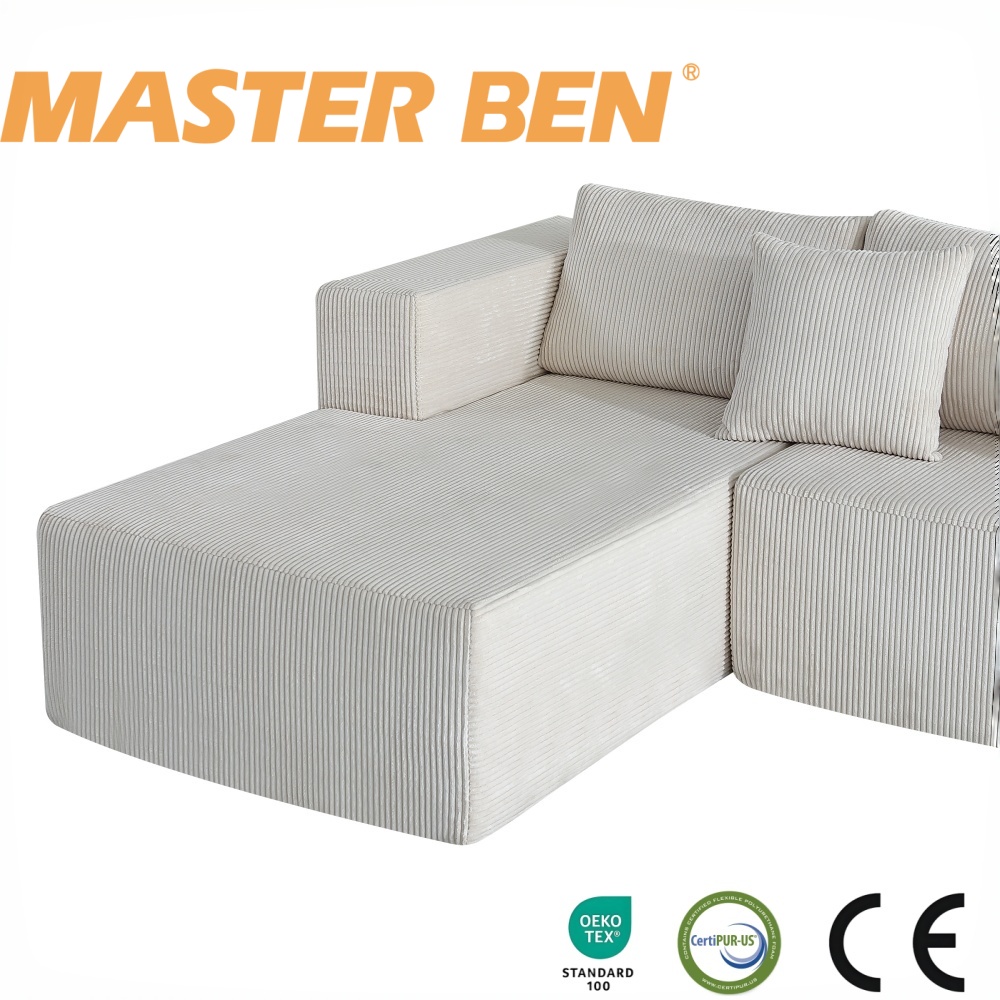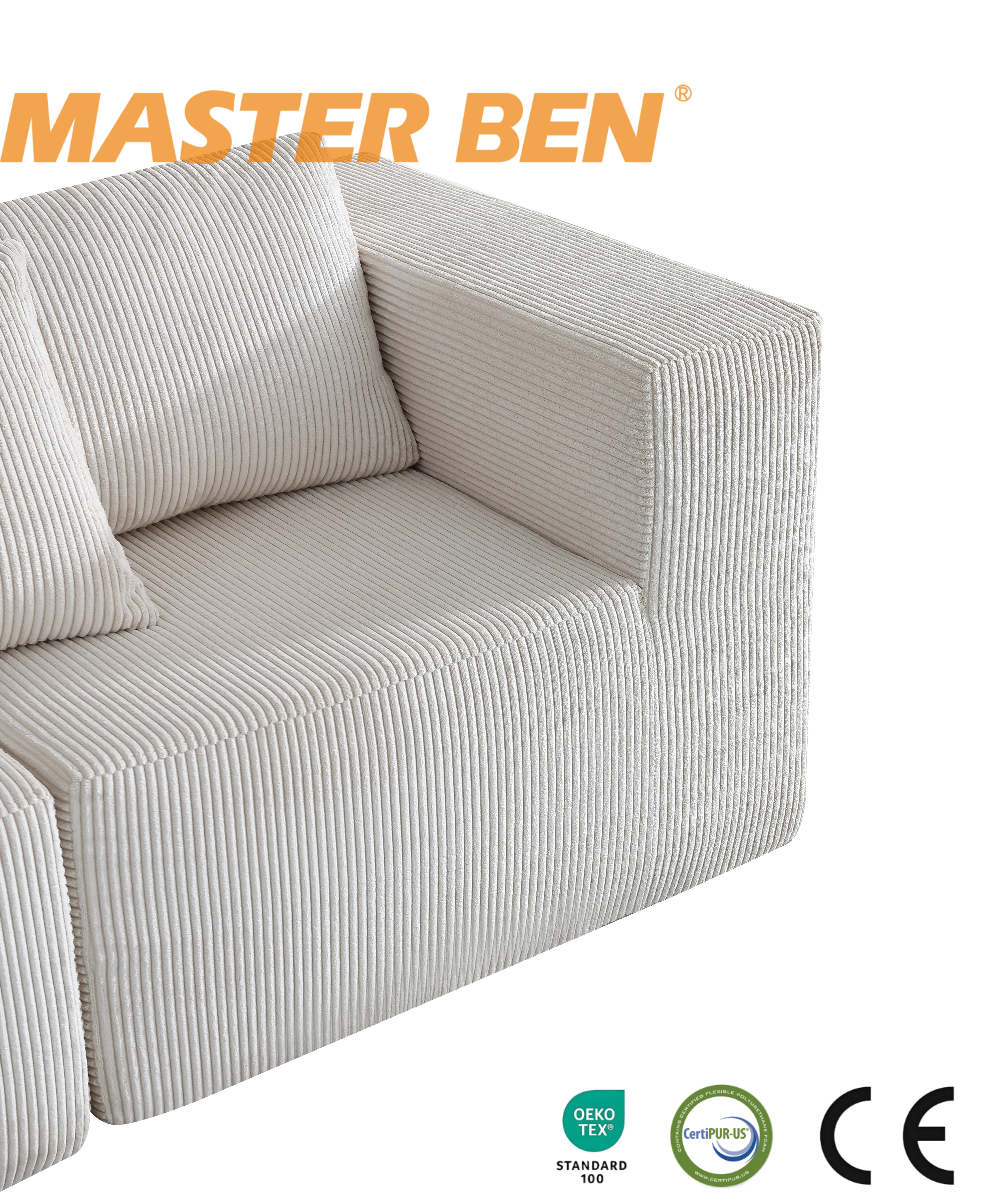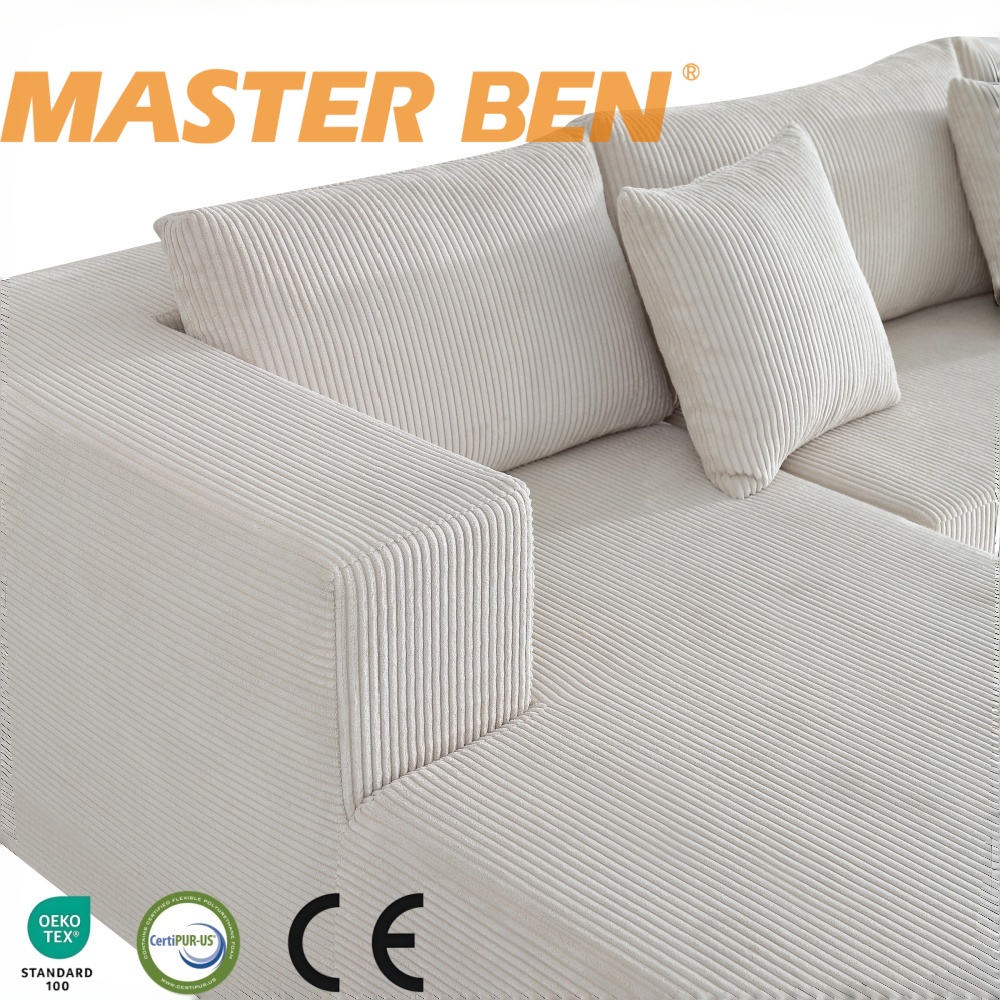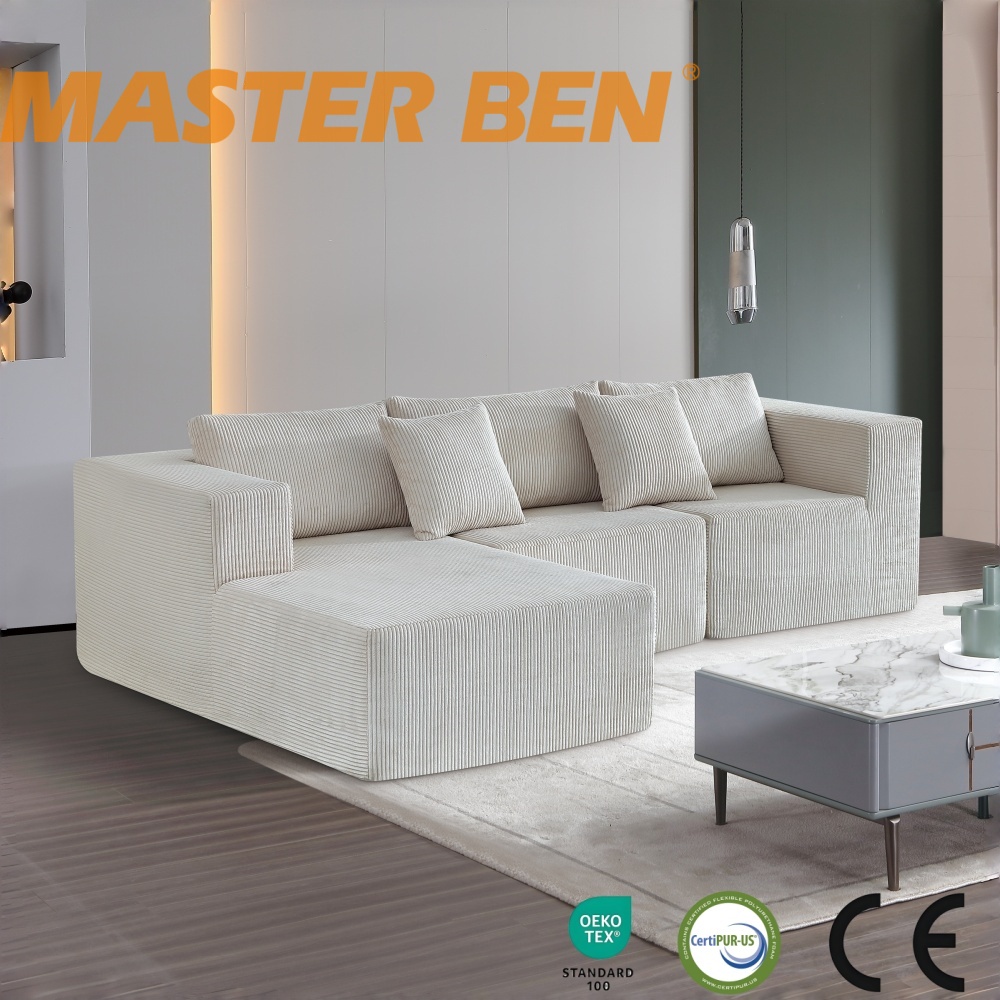


Essential details
MOQ:5 Pieces
Lead time:15 days for 1 container; longer for multi-container orders.
Product Code:SG106
Package Description:Each mattress is vacuum-compressed, tightly rolled, and sealed in a durable poly bag, then packed into a compact cardboard box. This space-saving packaging reduces shipping volume by up to 106%, lowers freight costs, and allows for easy maneuverability through hallways and doorways.
Product Introduction
Pricing: Determined by order quantity and trade terms.
Available Trade Terms: EXW, FOB, CIF, and DDP (available for select countries).
For a quote tailored to your requirements, please contact us.
Key Features
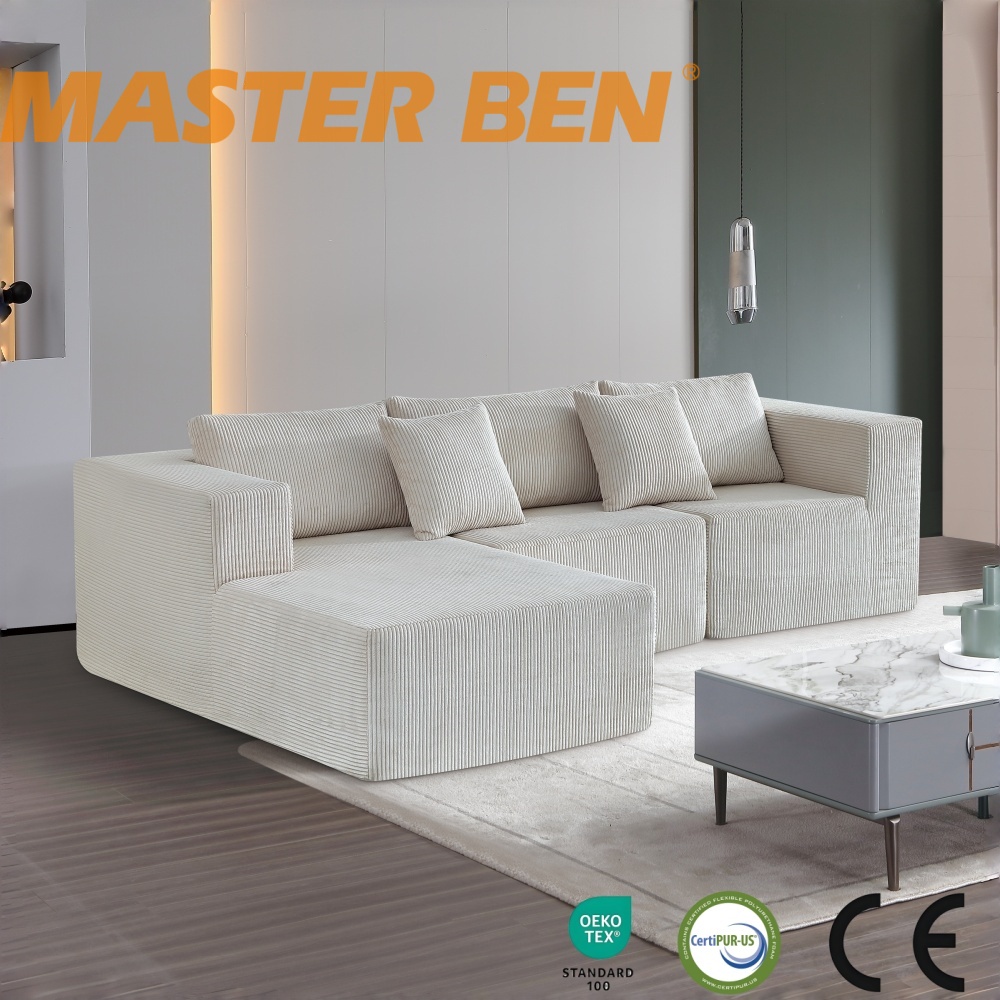
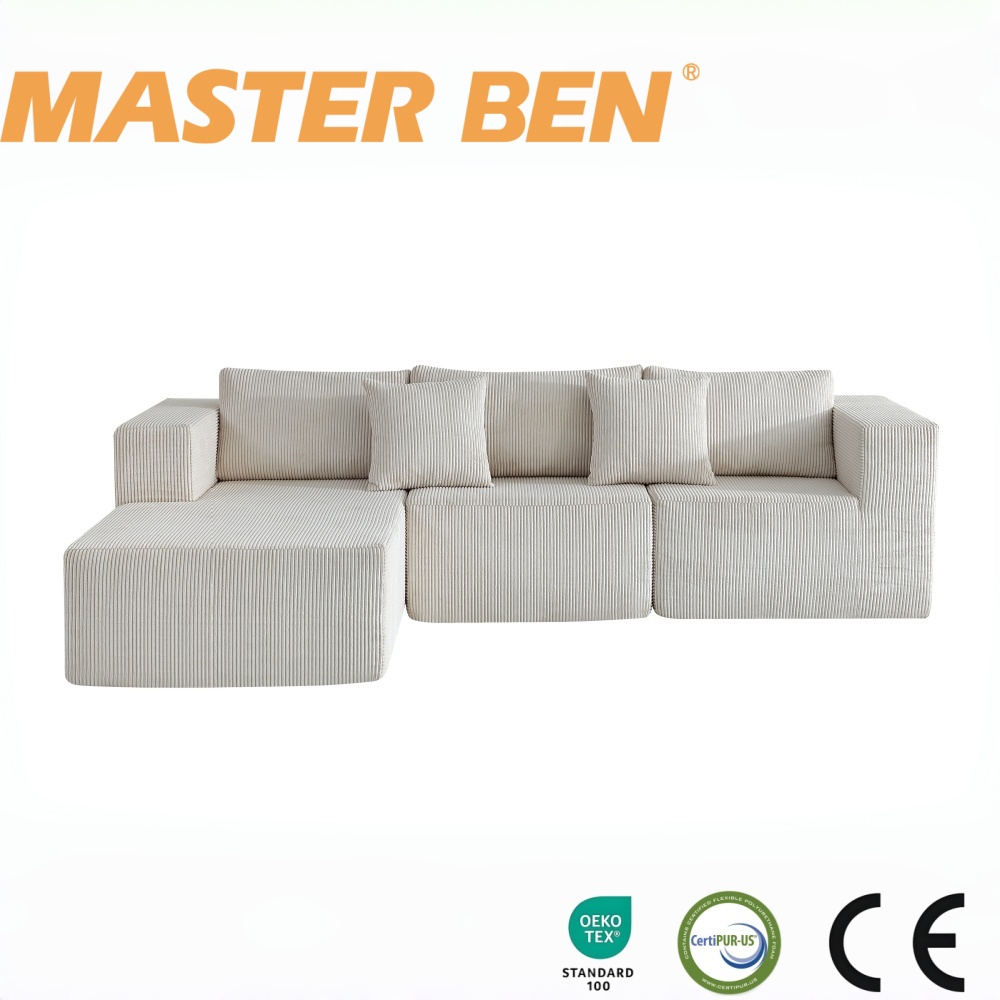
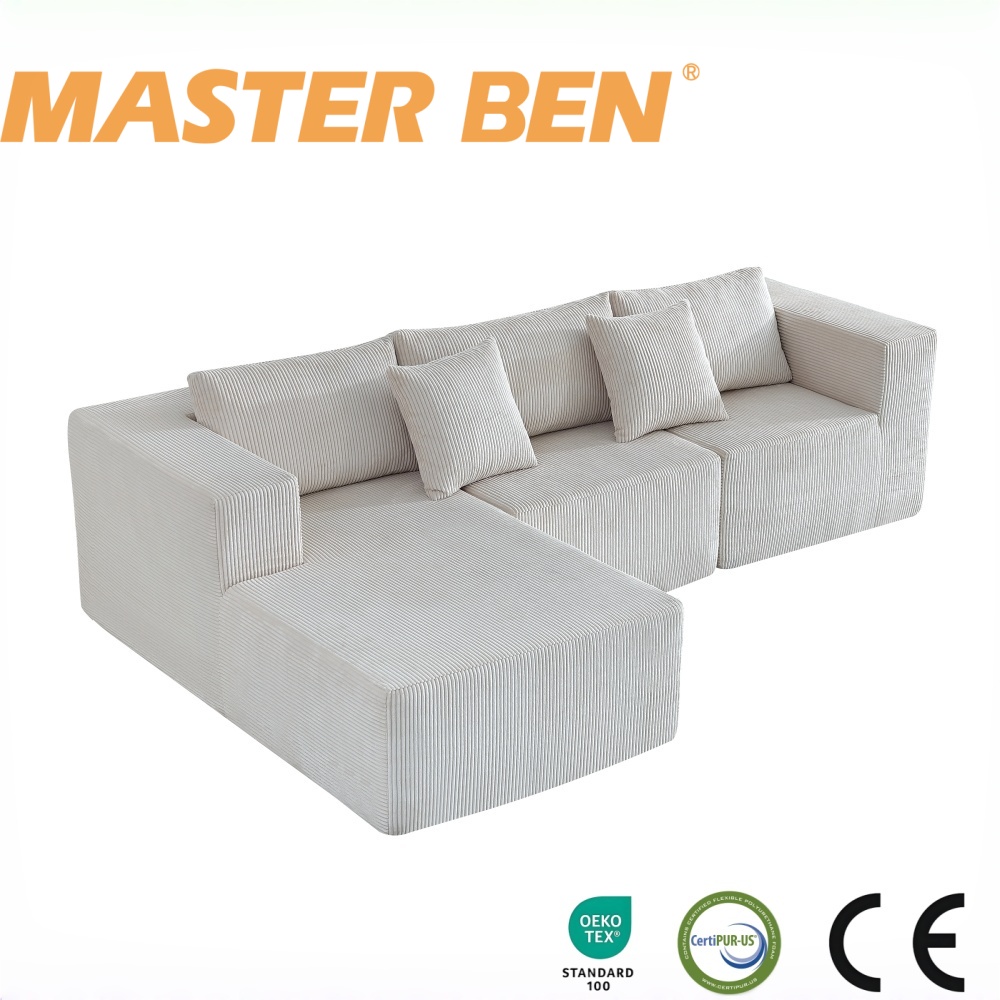
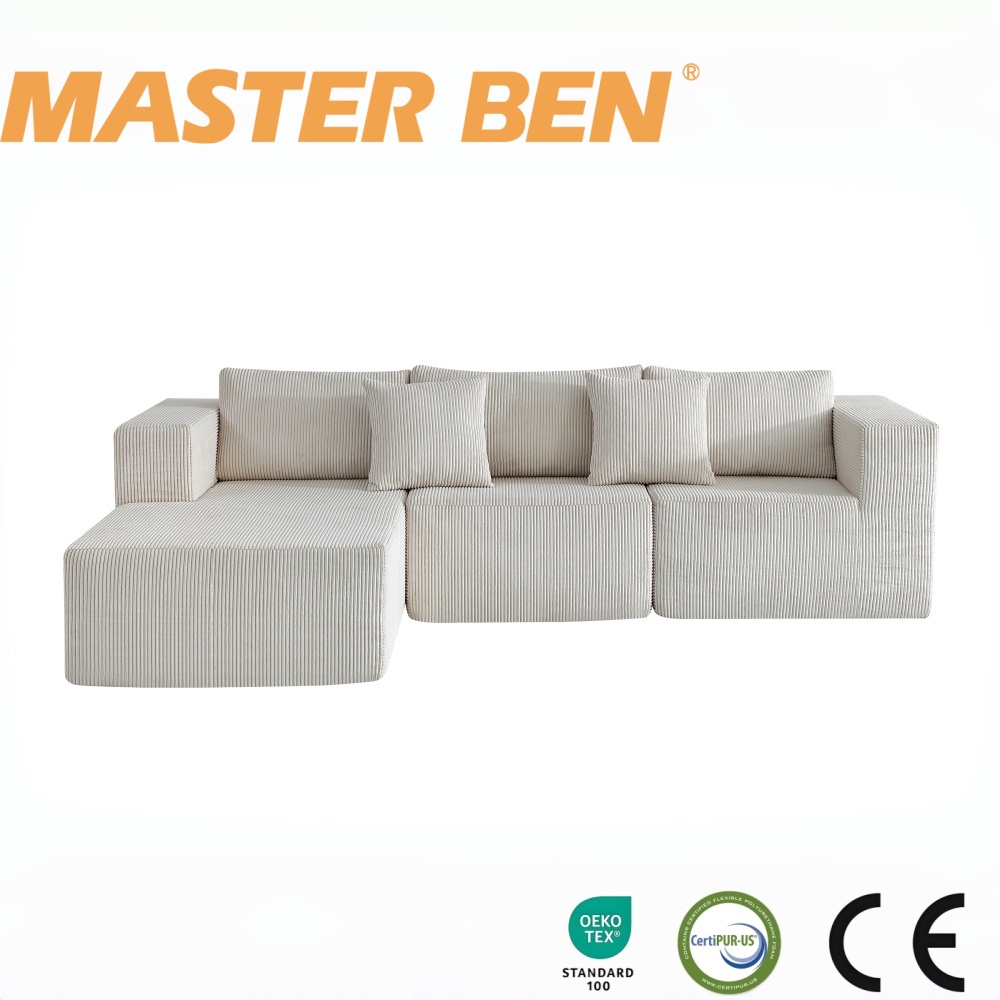
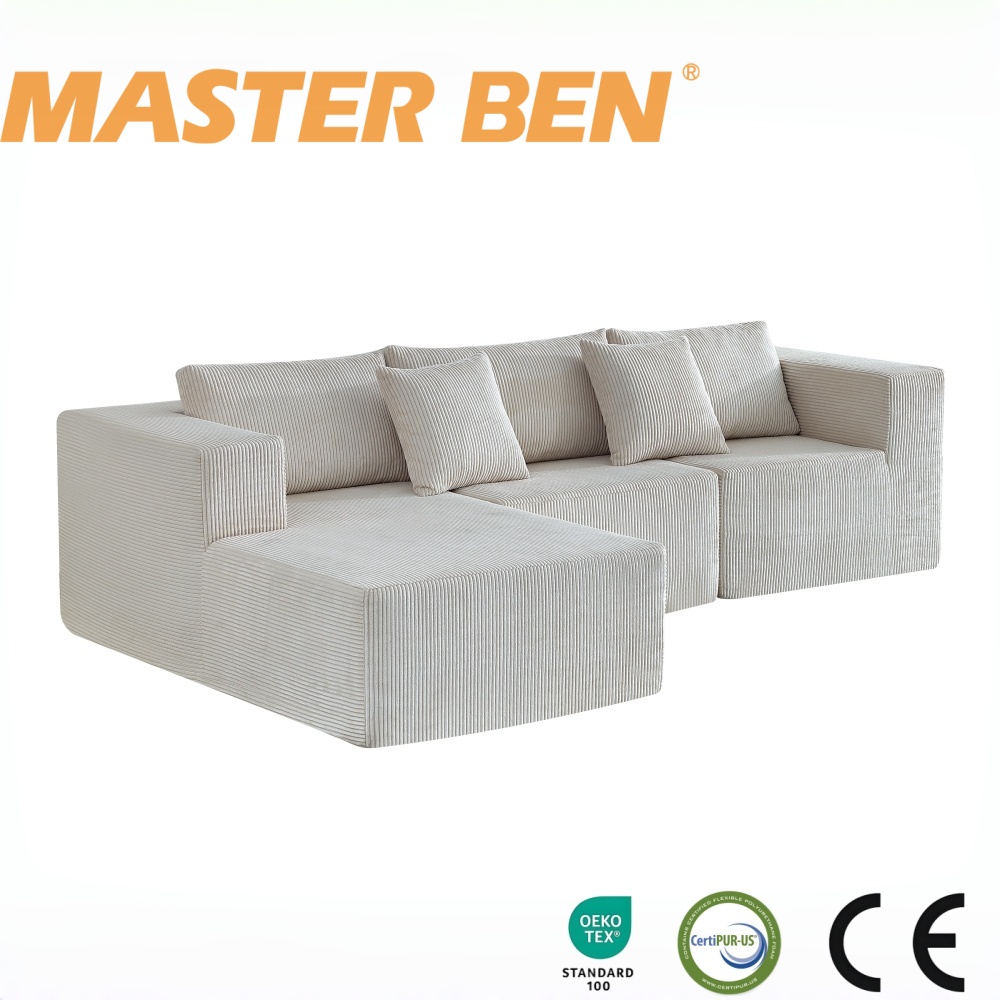
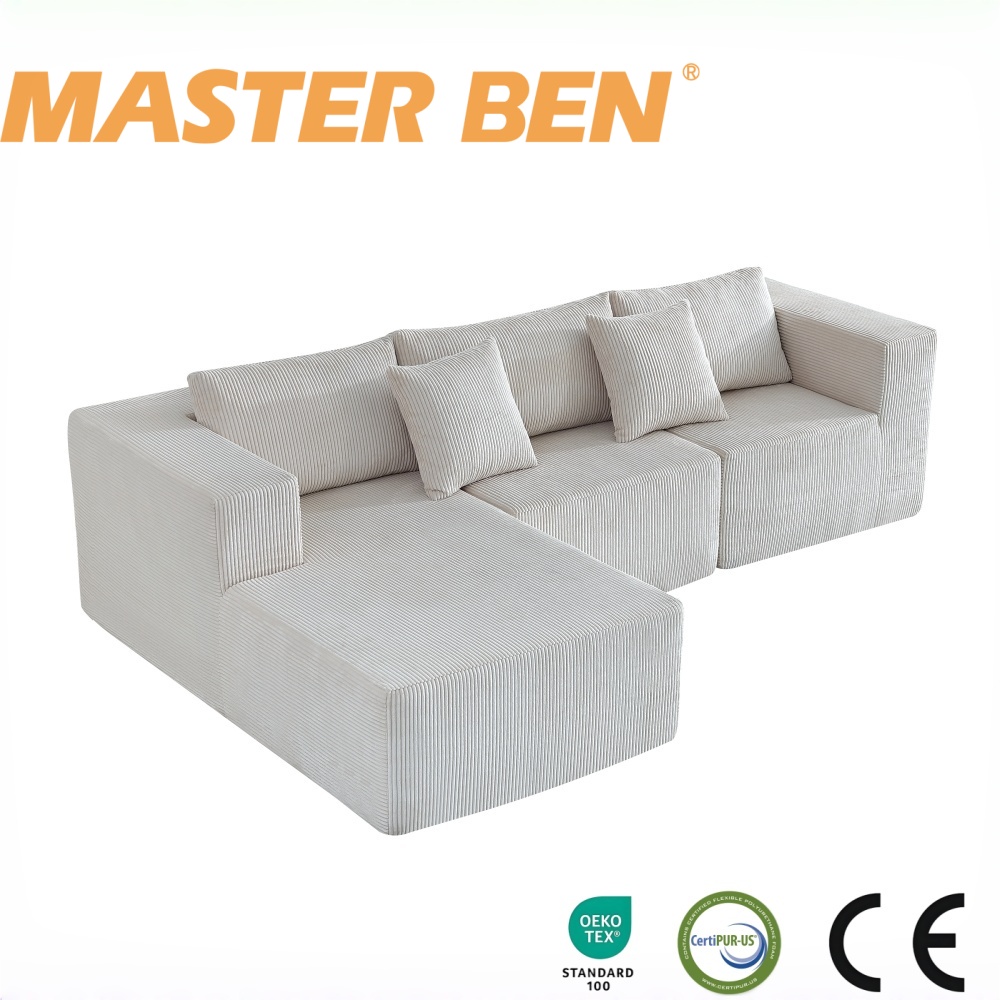
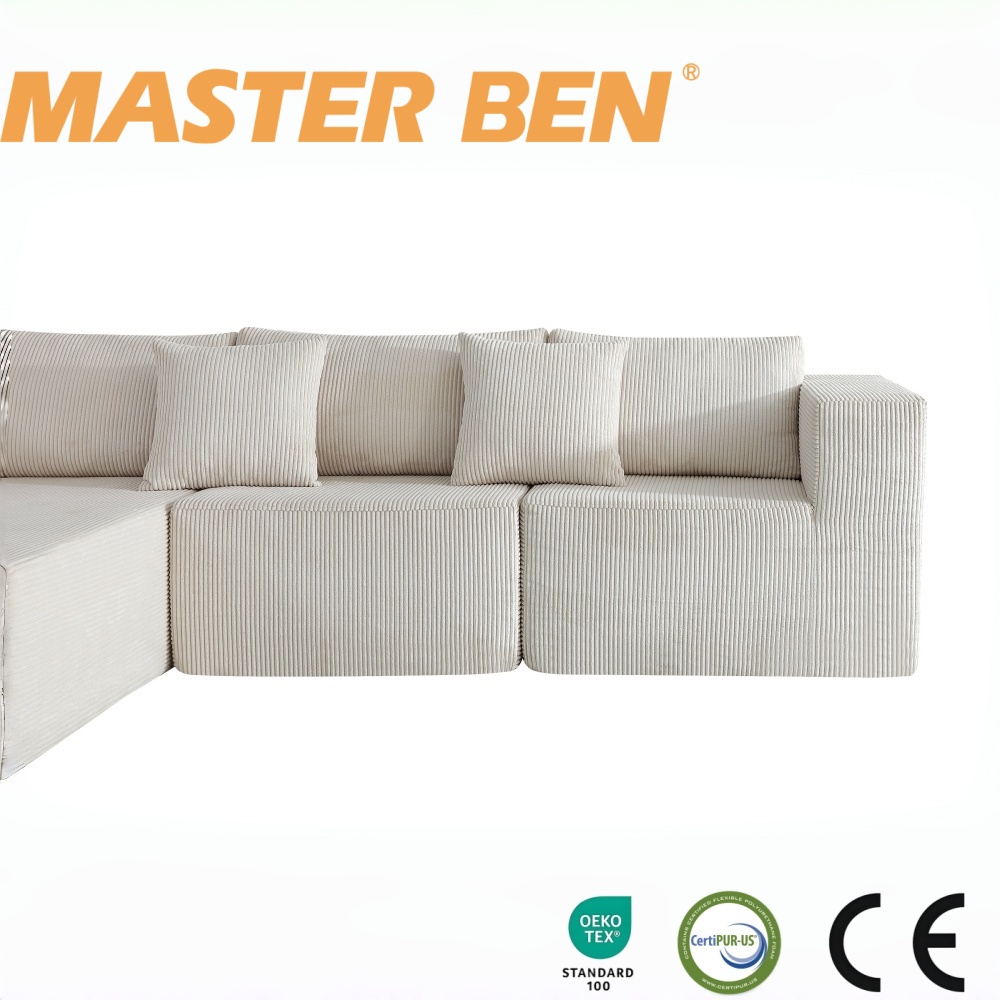
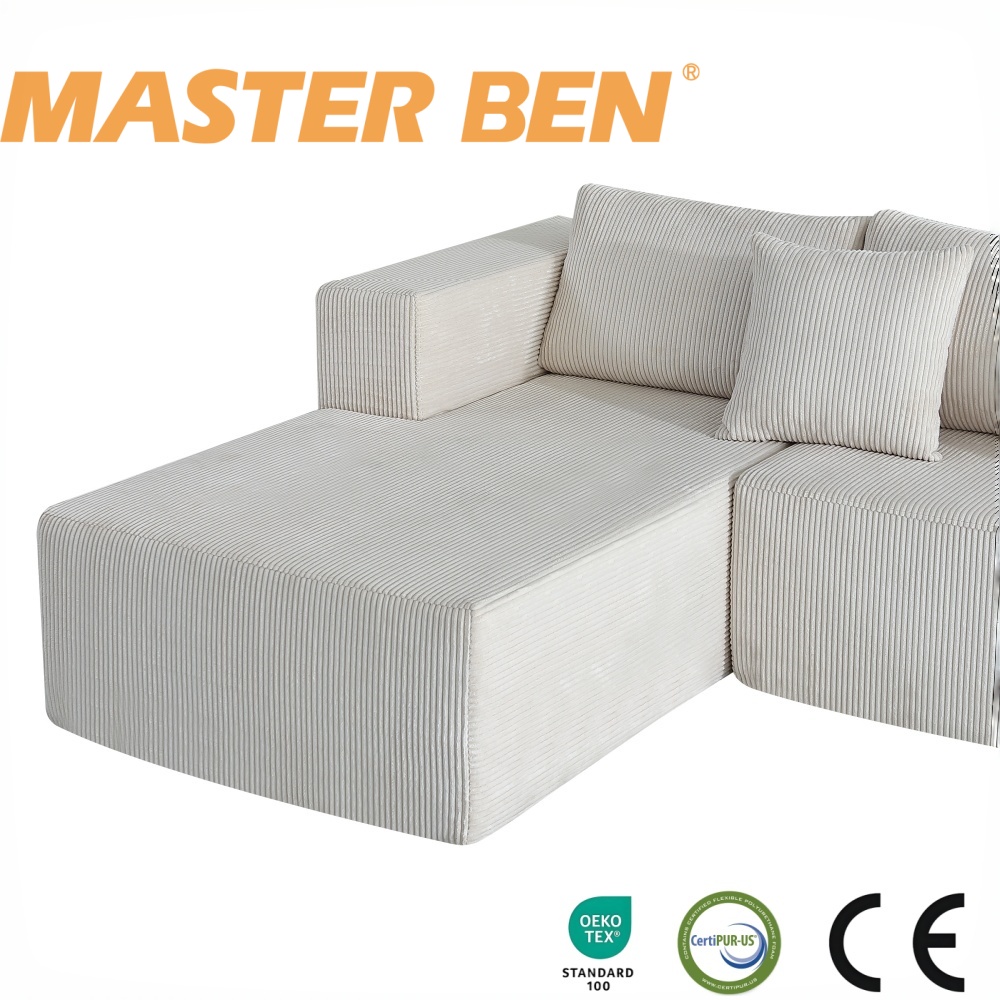
① Modular L-shaped flexible layout
② Compression-packed for easy delivery
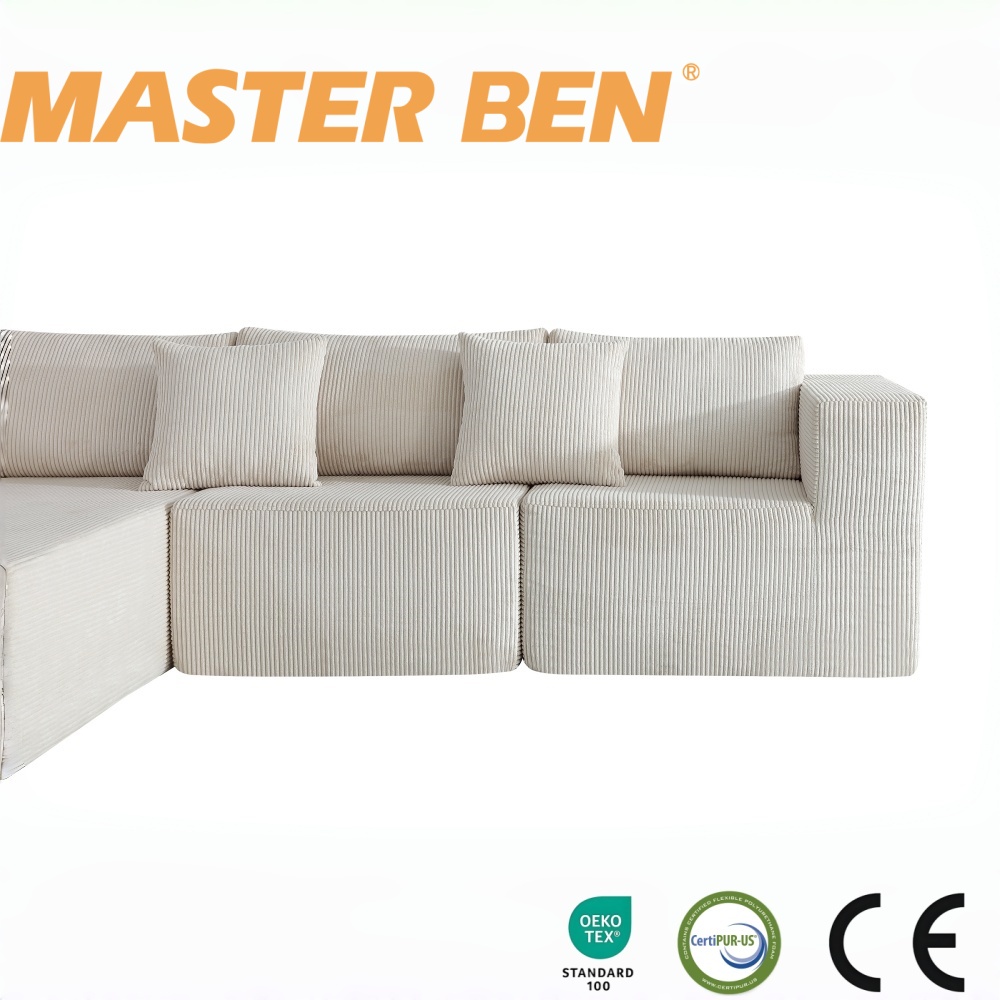
③ Tool-free quick assembly system
④ Customizable modules and colors
⑤ Space-saving design for small rooms
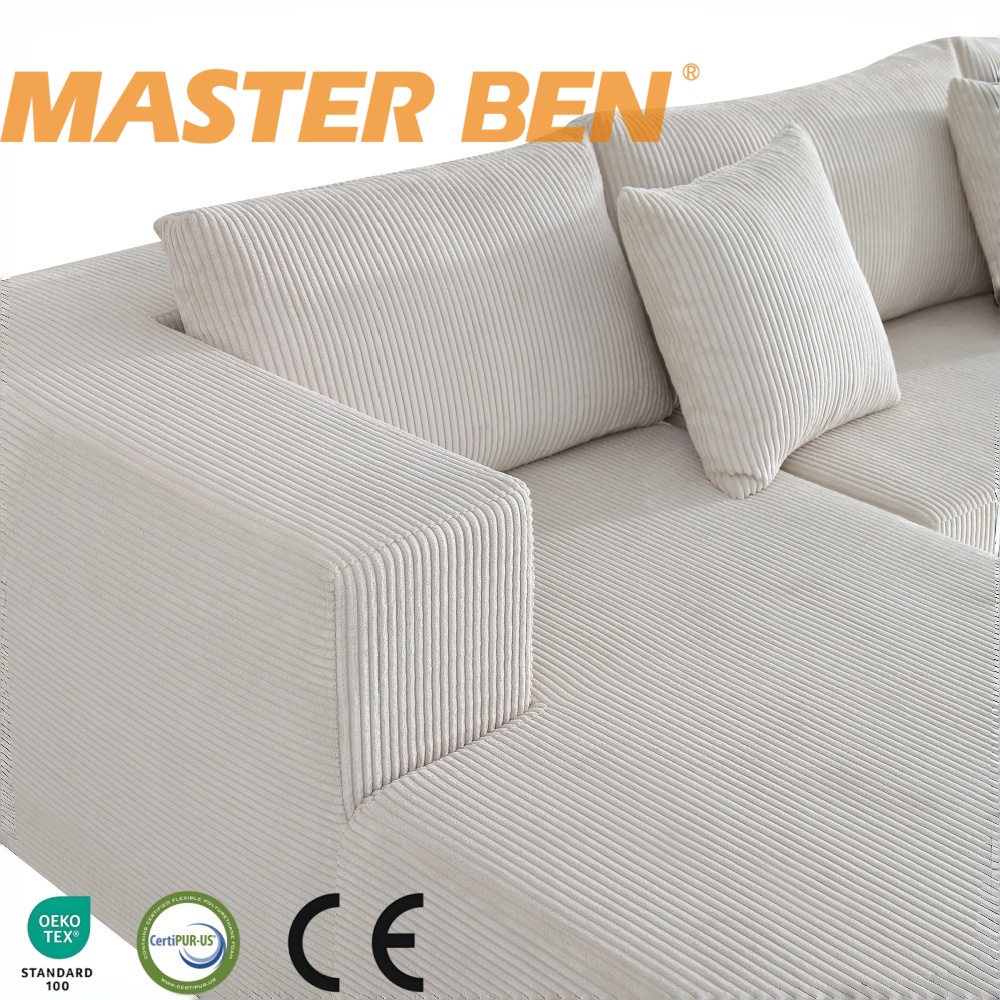
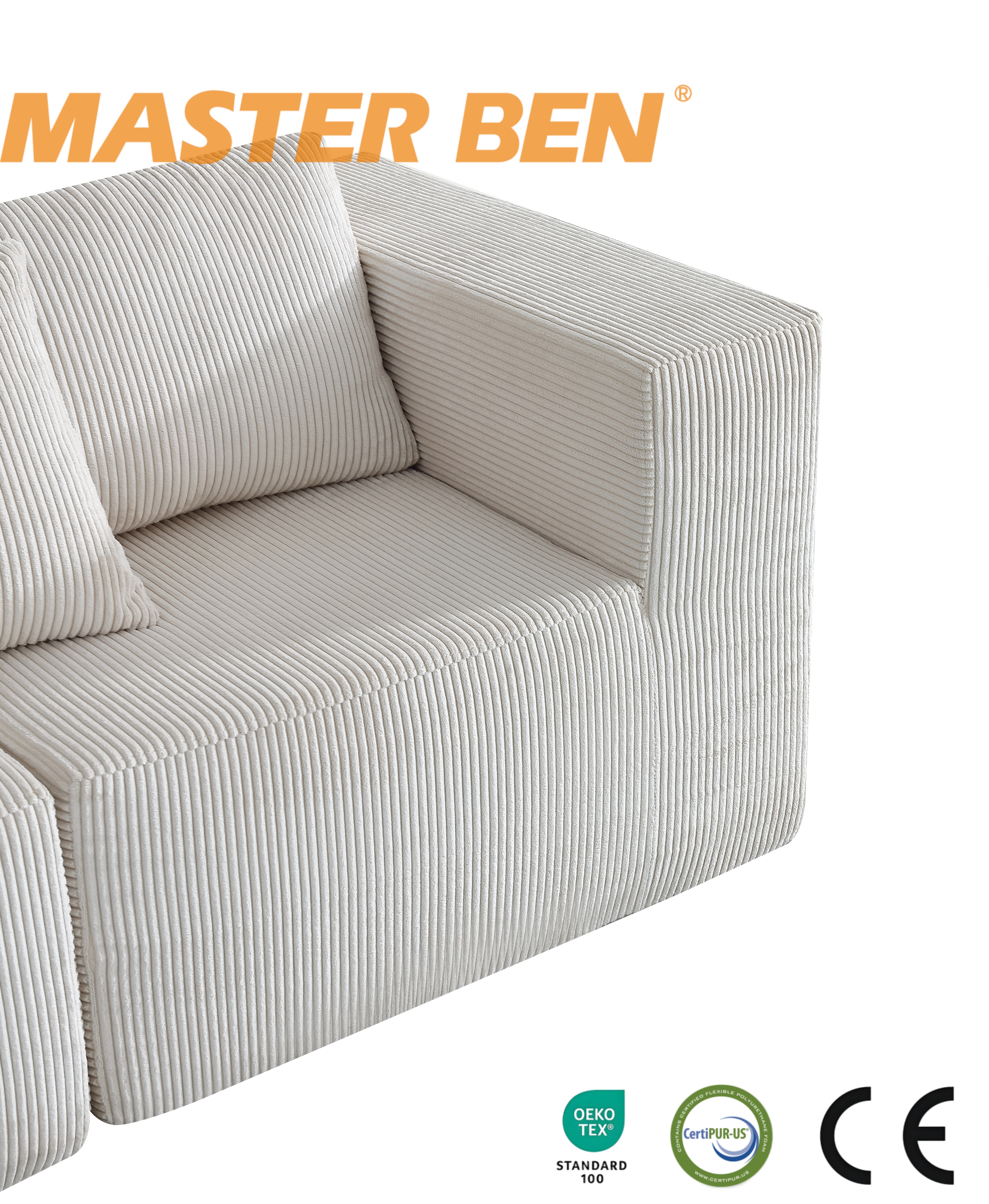
⑥ Durable frame with high-density foam
Available Trade Terms: EXW, FOB, CIF, and DDP (available for select countries).
For a quote tailored to your requirements, please contact us.
Key Features
① Modular L-shaped flexible layout
② Compression-packed for easy delivery
③ Tool-free quick assembly system
④ Customizable modules and colors
⑤ Space-saving design for small rooms
⑥ Durable frame with high-density foam
Product details